The Pros and Cons of Long-Term Car Rentals
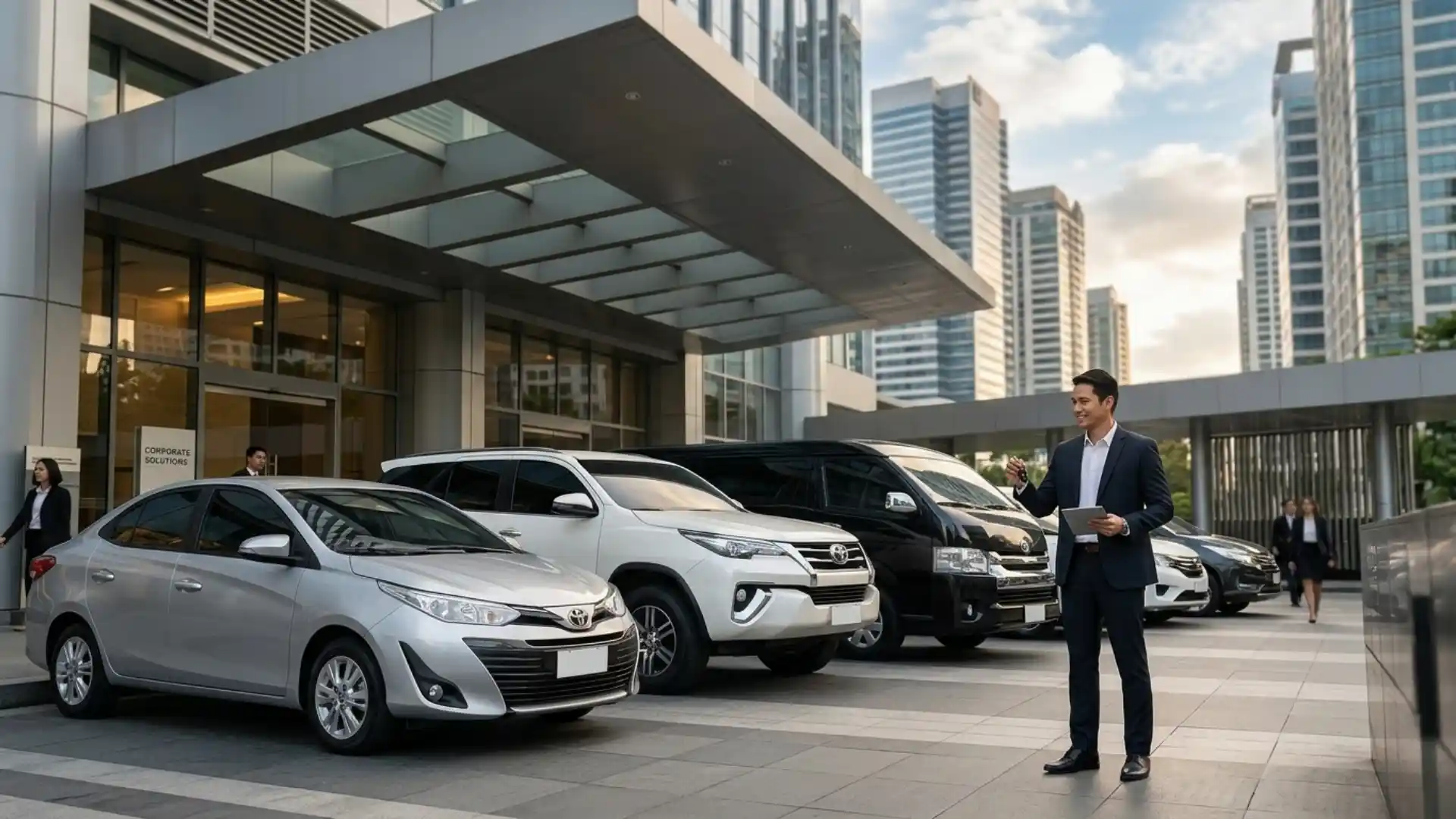
For most growing companies in the Philippines, vehicles are a necessity — but owning them outright isn’t always the smartest use of capital. Long-term car rental, sometimes called an operating lease, has become a popular middle path. Like any business decision, it comes with trade-offs.
What is a long-term car rental?
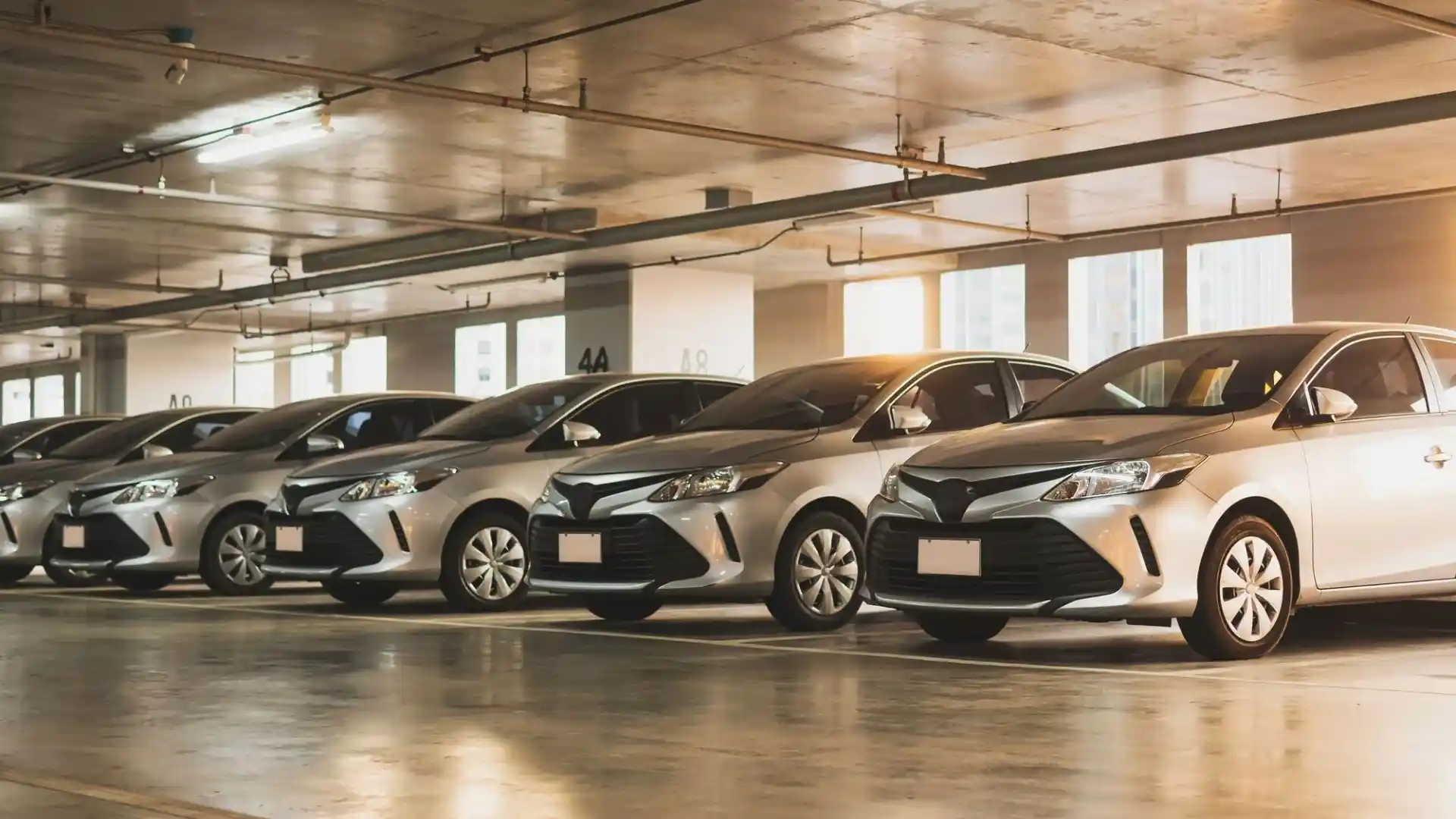
A long-term rental is an agreement to use one or more vehicles for an extended period — typically several months to several years — for a fixed recurring fee. Unlike short-term rentals, the rate is optimized for the length of commitment, and unlike ownership, the vehicles stay on the provider’s books, not yours.
The advantages
Predictable, manageable costs
Instead of a large upfront purchase, you pay a fixed monthly rate. That makes budgeting straightforward and frees up capital for your core business rather than depreciating assets.
Maintenance is someone else’s job
With a managed long-term rental, servicing, registration, and insurance are usually included. You don’t pay for surprise repairs, and you don’t manage a maintenance calendar — the provider does.
Flexibility as you grow
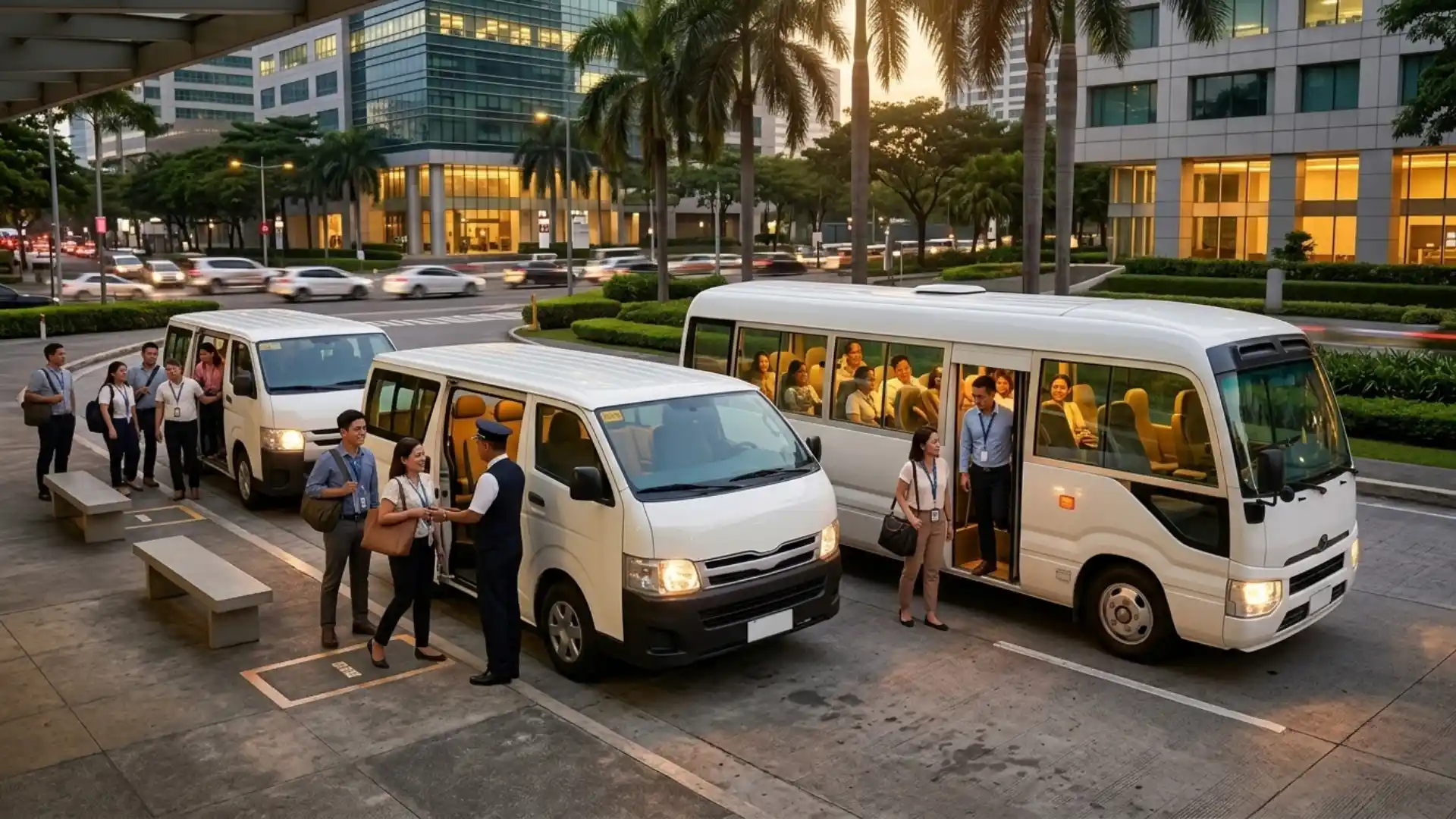
Need three more vans next quarter? A rental partner scales your fleet up or down far more easily than buying and reselling vehicles ever could.
The trade-offs
You don’t build equity
At the end of a term, you don’t own anything. For companies that keep vehicles for a very long time, total rental cost can exceed buying and running a vehicle into the ground.
Usage terms and limits
Agreements may include mileage expectations or usage conditions. Rarely a problem for typical corporate use, but worth clarifying upfront — especially for heavy provincial travel.
So, which is right for you?
As a rough guide: if you value predictable costs, want to avoid maintenance hassle, and expect your needs to change, long-term rental is usually the stronger choice. If you have plenty of capital, need specialized vehicles, and plan to keep them for many years, ownership may edge ahead.
Not sure which model fits your business?
MRLC Transport Cars, Inc. has provided corporate car rental, shuttle, and fleet management services to the Philippines' leading companies since 1994. Our team shares practical insights to help businesses move smarter.