Driving Safely: Important Tips for Driving in the Philippines
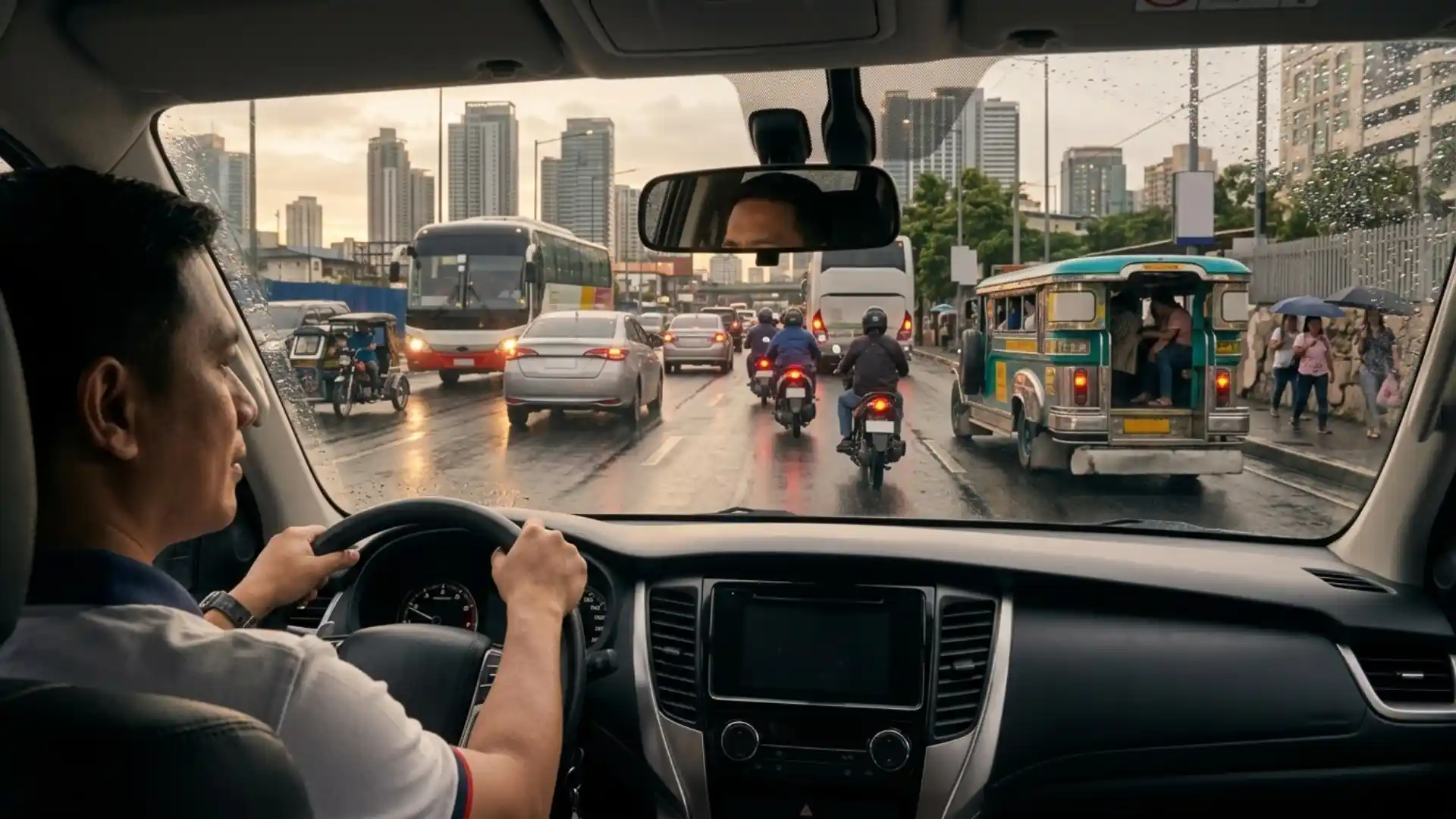
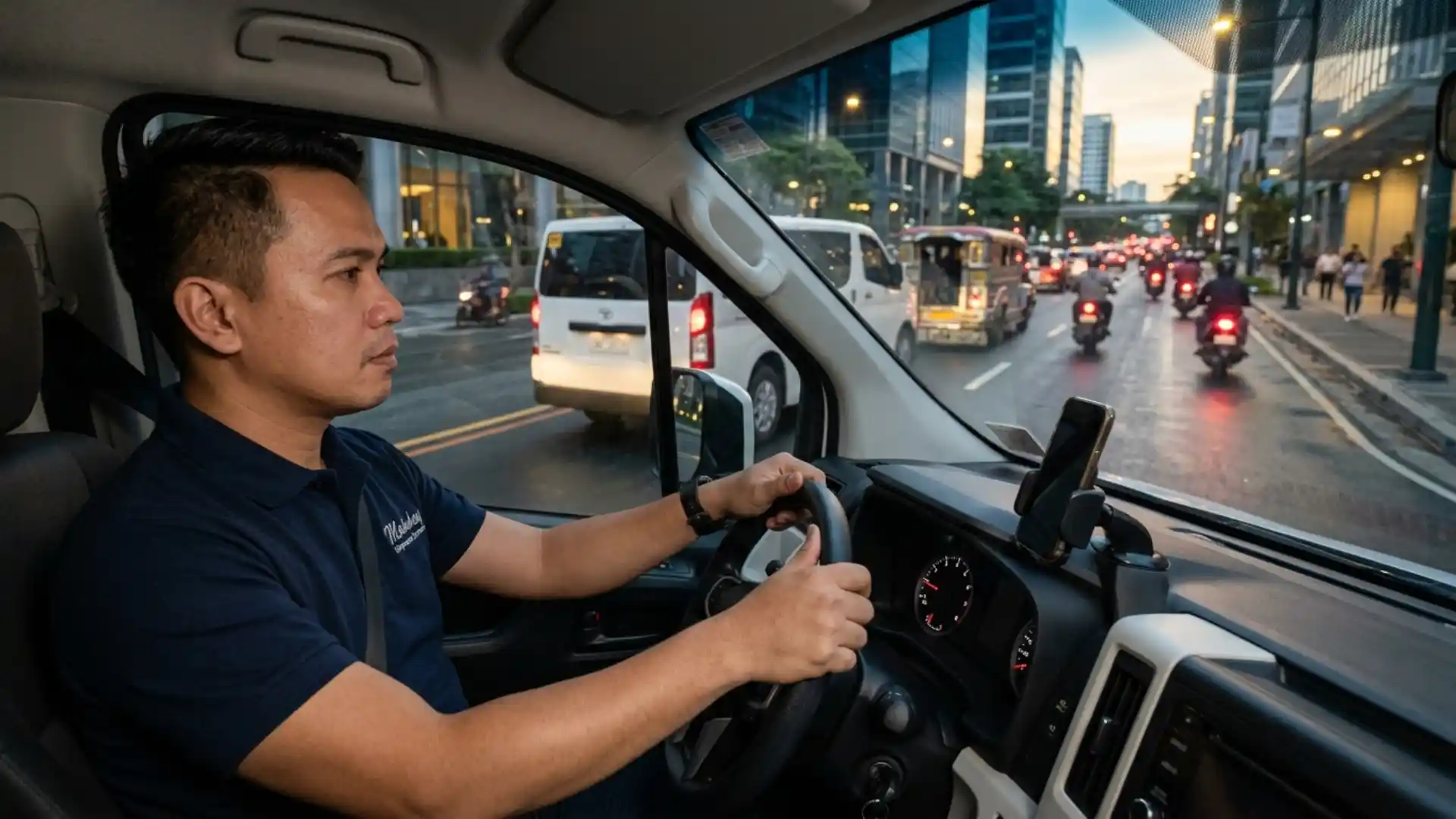
Driving in the Philippines rewards drivers who stay alert and adaptable. The roads are busy, diverse, and full of vehicles of every size sharing the same lane. Whether you’re moving a team across Metro Manila or heading to a provincial site, these tips will keep your trips smooth and safe.
Expect a mix of road users
Philippine roads are shared by cars, buses, jeepneys, tricycles, motorcycles, and pedestrians — often all at once. Motorcycles may filter between lanes and jeepneys stop frequently to pick up passengers. The key habit is anticipation: assume a vehicle may stop or merge suddenly, and leave yourself room.
Navigating Metro Manila
Traffic is the capital’s defining challenge. Plan around rush hours where you can, and be aware of the number-coding (UVVRP) scheme that restricts certain plates on certain days. Patience matters — aggressive lane-changing saves seconds and risks far more. A driver who knows the city’s shortcuts and rhythms is worth their weight in saved time.
Heading to the provinces
Provincial routes bring their own conditions: unlit highways at night, sharp mountain bends, and stretches of rough or narrow road. Choose a vehicle suited to the terrain — an SUV or pickup rather than a low sedan — and plan rest stops on long hauls. Fuel up before remote stretches where stations are scarce.
Driving in the rainy season
From roughly June to November, heavy rain and flooding are realities. Slow down, double your following distance, and never attempt to cross floodwater of unknown depth — it’s the leading cause of stalled and damaged vehicles. If visibility drops, use headlights and, if needed, wait out the worst of a downpour safely.
Carry the right documents
Always travel with your driver’s license, the vehicle’s OR/CR (Official Receipt and Certificate of Registration), and proof of insurance. For corporate rentals, a reputable provider handles registration and insurance for you — one less thing to worry about on the road.
Not sure which model fits your business?
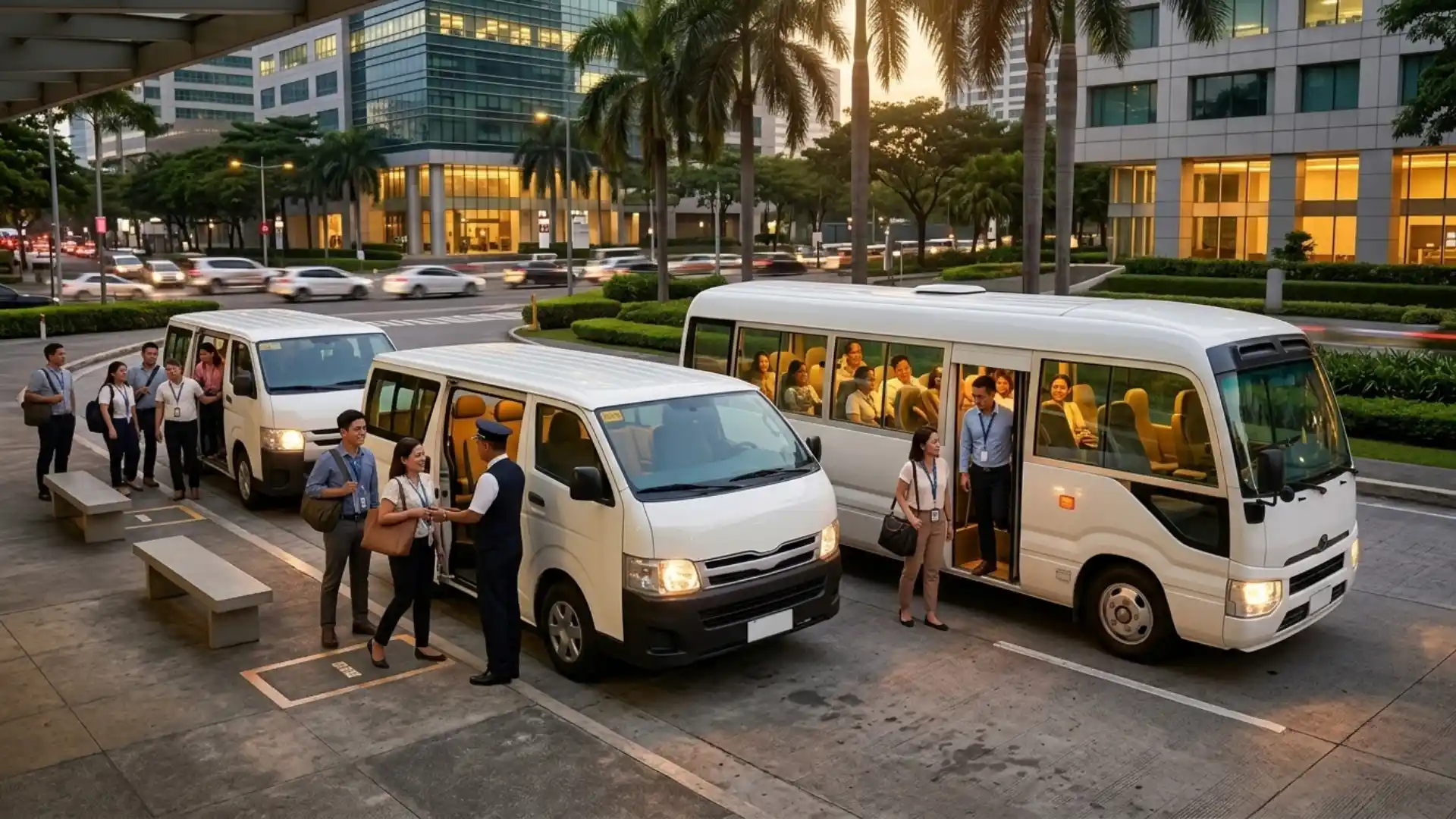
MRLC Transport Cars, Inc. has provided corporate car rental, shuttle, and fleet management services to the Philippines' leading companies since 1994. Our team shares practical insights to help businesses move smarter.